Glow Peptide: What GHK-Cu, BPC-157, and TB-500 Actually Do
Glow peptide is a blend of GHK-Cu, BPC-157, and TB-500. What each one actually does, what the research shows, and where the hype ends.

May contain affiliate links; I may earn a commission at no extra cost to you. Everything here is my opinion, not medical advice. Full disclosures
Somewhere in the last nine months, the word "glow peptide" started showing up everywhere in my reading, and I kept assuming it was the same molecule I was already familiar with from supplement research. It is not. Glow peptide usually refers to a blended injectable stack combining GHK-Cu, BPC-157, and TB-500. GHK-Cu supports collagen signaling, BPC-157 is studied for angiogenesis, TB-500 is studied for tissue remodeling, and the human clinical trial evidence for the combination as a stack is still thin.
At some point I stopped seeing myself as someone reading marketing copy about wellness and started seeing myself as someone who reads the mechanism literature before paying for anything. I am not on the GLOW stack. I have spent enough months reading the underlying research to explain what it actually is.

Not sure which peptide fits you?
A couple of quick questions and the free quiz shows you where Bioactive Precision Peptides could support your wellbeing.
Take the 2-minute quizWhat is the glow peptide stack?
GLOW is not one molecule. It is a compounded blend, described by Superpower's clinical guide as "a compounded injectable preparation that combines peptide and antioxidant ingredients" rather than a single drug with a defined pharmacological identity. The three components inside it have separate research histories that long predate the "glow" branding.
GHK-Cu is a naturally occurring tripeptide that binds a copper ion. BPC-157 is a synthetic 15-amino-acid sequence derived from a protein in human gastric juice. TB-500 is a fragment of thymosin beta-4, associated with actin regulation in tissue repair. The reason they get blended together is a proposed mechanism overlap around tissue regeneration, not because some clinical trial proved the trio outperforms the parts. The word "glow" is marketing language. The molecules underneath it are real, individual research compounds, and worth understanding one at a time.
When I first ran into the term, I assumed it was a category like "the GLP-1 drugs", a defined class of agonists. It is closer to calling three different vitamins a "wellness blend" because someone sells them in one bottle.
Small upgrades to your wellbeing and lifestyle. Simple, well-reviewed items to support your journey. As an Amazon Associate I earn from qualifying purchases, at no extra cost to you.

Panda Planner Pro - Best Daily Planner for Happiness and Productivity, 8.5x11 Softcover Undated
Undated 6-month daily planner combining gratitude prompts, goal reviews, and habit tracking in a large softcover format.
Check price on AmazonWhat does GHK-Cu actually do in the body?
GHK-Cu is the component most often called the glow peptide on its own, and it is the one with the cleanest mechanism story. It is naturally present in human plasma, saliva, and urine, and its concentration declines with age. That decline tracks with slower wound healing and reduced skin elasticity, which is why so many clinicians find it interesting in the first place.
In lab models, GHK-Cu activates fibroblast receptors and influences collagen and elastin synthesis at the transcriptional and translational levels. The copper is structural, not decorative; without the ion, the tripeptide does not signal the same way.
Dermatologist Chang B. Son, MD, told Everyday Health that "human data are limited, and large-scale clinical trials are lacking." A plausible mechanism in cell culture and a documented age-related decline in human plasma do not equal a finished body of evidence in living people receiving injections. Both things can be true. The molecule is interesting, and the human trial base is not yet there.
How does BPC-157 fit into the stack?
BPC-157 is the component you see most often in surgical-recovery contexts. The primary studied mechanism relevant to a "glow" blend is angiogenesis, the formation of new capillary networks at injury sites, which improves oxygen and nutrient delivery to tissue under stress. That is why it shows up in plastic surgery recovery literature alongside aesthetic peptides.
The research base is mostly preclinical. Rat models, in vitro work, growing clinical extension, no large human trials targeting skin outcomes specifically. If you want to understand how the body uses peptides as signaling molecules more broadly, that post is the better place to start than any GLOW product page. The signaling story is genuinely interesting. The shortcut from "interesting signaling" to "you should inject this stack" skips several steps the evidence has not yet taken.
Small upgrades to your wellbeing and lifestyle. Simple, well-reviewed items to support your journey. As an Amazon Associate I earn from qualifying purchases, at no extra cost to you.
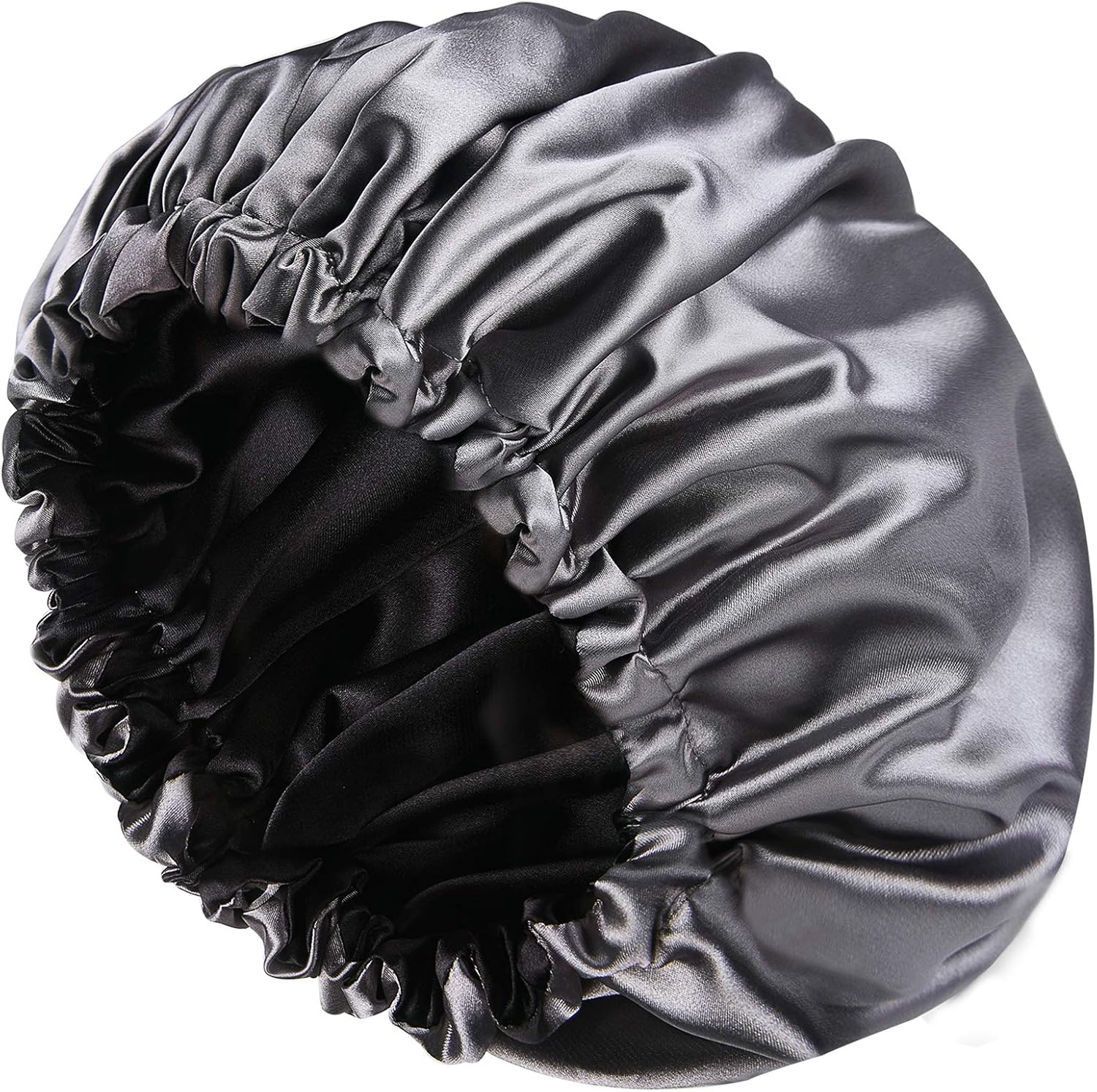
YANIBEST Satin Bonnet for Sleeping - Double Layer Adjustable Hair Bonnet for Curly Braids
Double-layer adjustable satin bonnet protecting curls, braids, and natural hair from frizz and breakage while sleeping.
Check price on AmazonDoes the research actually support the hype?
In April 2026, The Guardian ran a piece flagging that injectable peptides have been promoted online as a "glow up potion" for everything from acne to hair thickness to chronic UTIs, and noting that the claims have been amplified by political figures well ahead of the data. When a US health secretary and a TikTok influencer are both pushing the same compound, that is a signal about attention, not about evidence.
The combination has not been evaluated in controlled human trials, and the loudest voices online are not the ones reading the mechanism papers.
GHK-Cu, BPC-157, and TB-500 each have individual preclinical histories with plausible, documented mechanisms. The plasma decline of GHK-Cu with age is a measurable phenomenon, not a marketing claim. Biologically plausible with thin human evidence is not the same thing as no science at all. There is also the older, more boring question of whether peptides are in the same category as steroids, which is the one most people skip past on the way to ordering vials.

Get the next post in your inbox.
One email when there is something new worth reading. No spam, leave any time.
Small upgrades to your wellbeing and lifestyle. Simple, well-reviewed items to support your journey. As an Amazon Associate I earn from qualifying purchases, at no extra cost to you.

Intelligent Change Mindful Affirmation Cards - 52 Positive Affirmation Cards with Display Stand
Deck of 52 weekly affirmation cards with a wooden display stand, sustainably printed on recycled paper.
Check price on AmazonWhere does an oral peptide supplement fit relative to this stack?
I have been taking MAKE RESTORED for about nine months and tracking my sleep the whole time. RESTORED contains food-derived peptides taken orally. That is a different delivery route, a different regulatory category, and a different conversation than a compounded injectable like GLOW.
Three things share the word peptide and get conflated constantly. Injectable research peptides like the GLOW stack are compounded, require a needle, and sit outside standard OTC approval. Food-derived oral peptides like the MAKE RESTORED I have tracked are regulated as supplements. Topical copper peptide serums you buy at Sephora are cosmetics. The mechanisms overlap at the molecular biology level, the products do not overlap at the practical or regulatory level. If you want the cleaner breakdown of the difference between food-derived oral peptides and injectable research compounds, that post sorts the categories.
You are already spending on supplements, serums, or something in the wellness aisle every month. The only question is whether what you are buying is something you actually looked into at the mechanism level, or something you bought because the photo looked good. If you want my own running notebook on the oral route, I keep updating nine months tracking my own results with an oral peptide supplement, and you can click here for the oral peptide supplement I have tracked for nine months if you want to see what I am actually taking.
Most people reading about glow peptide will go straight to a vial of something. A few will sit with the mechanism first, sort the categories, and then decide. This is written for the few.

Brazilian-Canadian on Vancouver Island. Former ballet artist, current builder of small ventures. Posts here cover health, income, and the long game.
FAQ
Can topical copper peptide serums replicate what injectable GHK-Cu does?
Probably not at the same depth. Topical GHK-Cu works on the skin's surface and upper dermis - useful for wound healing and texture, but skin is a barrier by design. Injectable delivery bypasses that barrier entirely, which is why the two are studied in different contexts and shouldn't be evaluated on the same evidence base.
Is BPC-157 legal to buy in Canada right now?
It exists in a grey zone. Research peptides like BPC-157 aren't approved drugs in Canada, so they can't be legally sold for human consumption. They're sometimes sold as "research use only." That legal gap is real and worth understanding before you order anything - regulatory status and biological plausibility are separate questions.
Why does GHK-Cu decline with age, and can you slow that?
We don't fully know the mechanism behind the decline. What's documented is that plasma levels drop measurably from young adulthood onward, correlating with slower healing and reduced skin elasticity. Whether supplementation meaningfully reverses that decline in living humans - not cell cultures - is still an open research question.
Should you cycle these peptides or run them continuously?
No established human protocol exists for the GLOW stack as a combination. Individual compound protocols vary across the preclinical literature, and compounding clinics often set their own cycling windows. Anyone giving you a confident "12 weeks on, 4 weeks off" answer is working from extrapolation and clinical intuition, not randomized trial data.
Small upgrades to your wellbeing and lifestyle. Simple, well-reviewed items to support your journey. As an Amazon Associate I earn from qualifying purchases, at no extra cost to you.

Lamare Vision Board Book - 800+ Pictures and Quotes for Vision Board Kit, Collage Book
800+ cut-out images and motivational quotes in a magazine-style book for creating vision boards and manifestation collages.
Check price on Amazon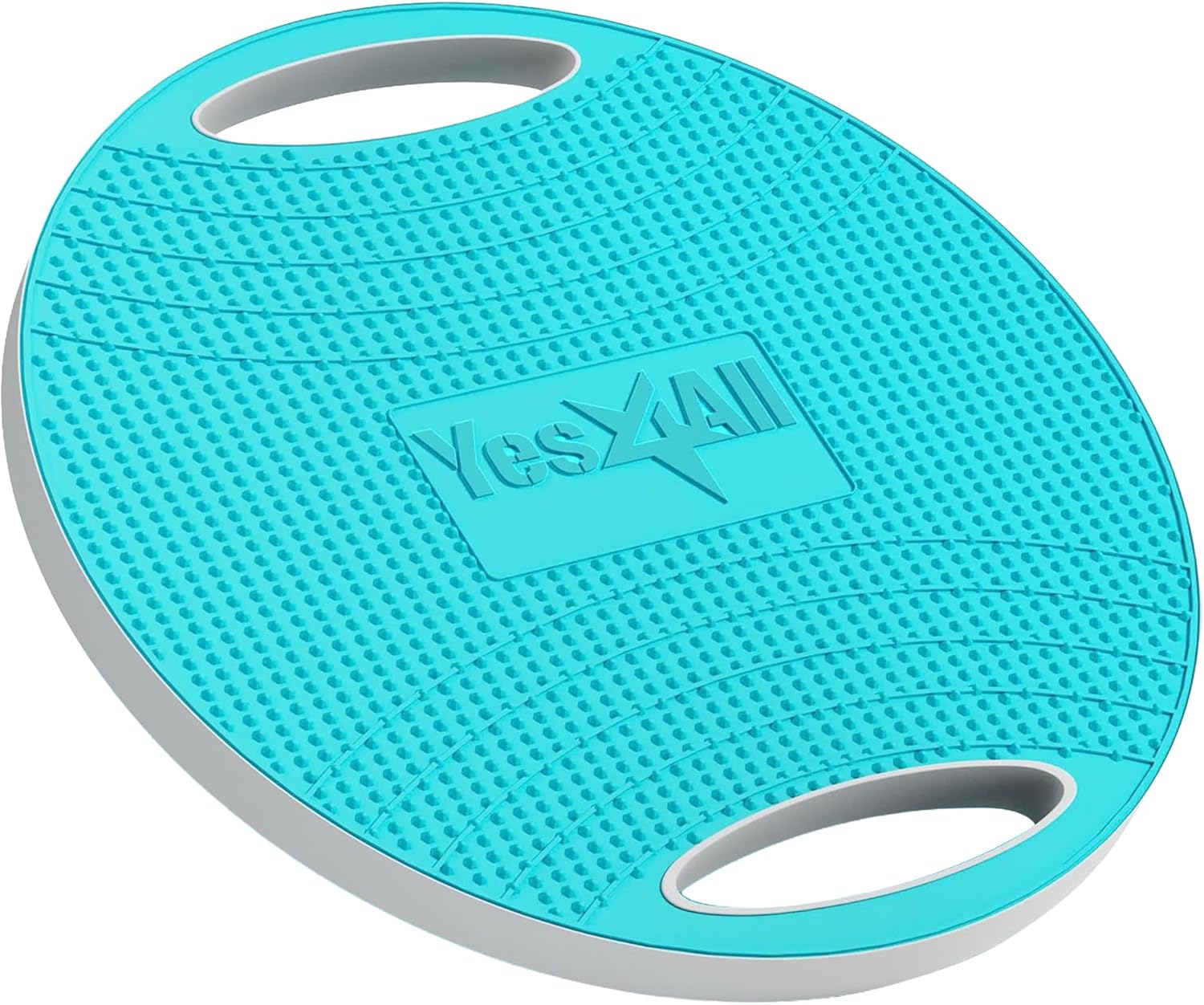
Yes4All Wobble Balance Board 16-Inch Round for Standing Desk and Core Training
TPE-surface 16-inch round balance board for standing desk use, core training, and balance exercises.
Check price on Amazon
Gaiam Essentials Yoga Block Set of 2 - Supportive Latex-Free EVA Foam, Grey
Two lightweight EVA foam yoga blocks with beveled edges and a non-slip surface for yoga, Pilates, and meditation.
Check price on AmazonTwo honest starting points. No pressure toward either one.

Everything I write comes from one idea: build a life you own, one stream at a time.
Want me to show you exactly how I do it, step by step, in your language? This is where it starts.
Come build with meMore in this lane.
Peptides for Healing: What the Research Actually Shows
Peptides for healing are signaling molecules, not patches. Here is what the research actually says about BPC-157, collagen peptides, and recovery.
Peptide Supplements: What the Research Actually Says (And What I Found Out)
Peptide supplements are not one thing. Here is what the human evidence actually supports, what is still animal-study territory, and what nine months on a naturally-derived blend looked like.
Peptide Serum: What It Actually Does and How It Differs From Oral Peptides
A peptide serum signals skin cells to make more collagen. It is not the same as oral peptides. The mechanism, the evidence, and what to check on the label.

Get the next post in your inbox.
One email when there is something new worth reading. Writing on health, income, and the practical reality of building a life on your own terms. No spam. Easy to leave at any time.
Unsubscribe with one click, any time. Your email stays with me and Kit, my email provider. · Privacy policy
I also publish on Substack: different essays, written for the inbox, the same long game.
Also on Substack