Are Peptides Steroids? No, and the Difference Matters More Than You Think
Peptides and steroids get lumped together, but they are different molecules doing different jobs. The plain difference, and where food-derived peptides sit.

May contain affiliate links; I may earn a commission at no extra cost to you. Everything here is my opinion, not medical advice. Full disclosures
The question almost always arrives a little nervous, the way people ask about anything they suspect might be cheating, or dangerous, or both. "Wait, peptides, isn't that basically steroids?" It is a fair thing to wonder and a quick thing to clear up, and clearing it up matters, because the answer changes what a lot of people let themselves even consider.
No. Peptides are not steroids. They are different classes of molecule, built differently and doing different jobs in the body, and the only reason the two words ever end up in the same sentence is a single grey corner of the peptide world that gym culture has folded into the same suspicion it holds for anything that works. Pull that corner out and the confusion mostly dissolves. The useful answer to "are peptides steroids" is a question back: which peptides, because the word is covering everything from the protein in your breakfast to a vial somebody bought off an unregulated website.

Not sure which peptide fits you?
A couple of quick questions and the free quiz shows you where Bioactive Precision Peptides could support your wellbeing.
Take the 2-minute quizKey Takeaways
Small upgrades to your wellbeing and lifestyle. Simple, well-reviewed items to support your journey. As an Amazon Associate I earn from qualifying purchases, at no extra cost to you.
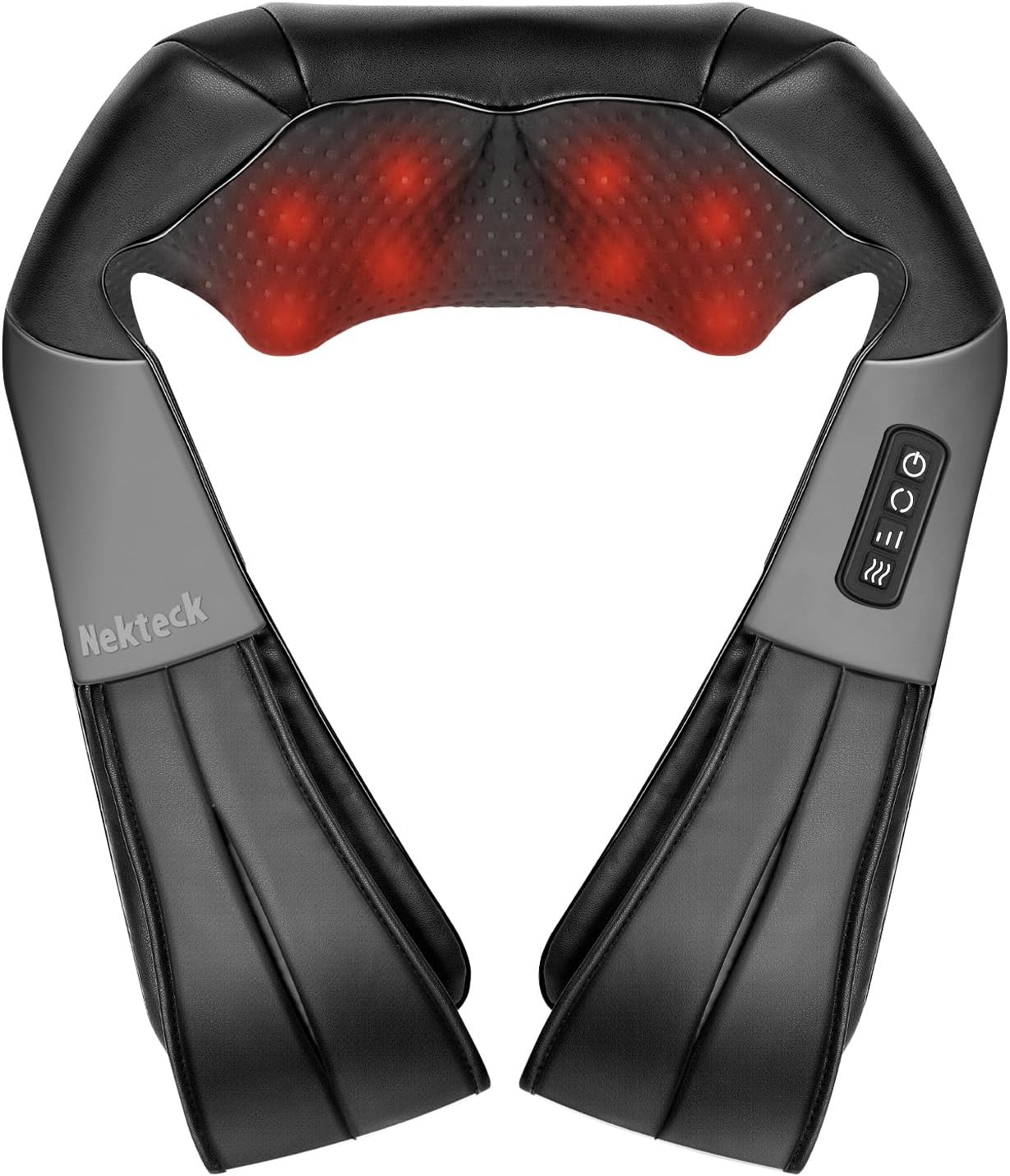
Nekteck Shiatsu Back Neck Massager with Soothing Heat
Ergonomic 3D kneading massage pillow with heat for neck, shoulders, back, and waist at home or in the car.
Check price on AmazonWhat each one actually is
A peptide is a short chain of amino acids. Amino acids are the building blocks of protein, the same things you get when you digest a steak or a scoop of whey. Your body makes and uses thousands of its own peptides as signalling instructions, tiny messages that tell systems what to do: wind down for sleep, register that you are full, begin repairing a muscle. I wrote the long, plain-language version of that in Your Body Is Having 7,000 Peptide Conversations Right Now, and it is the single best thing to read if the category feels mysterious. The short version: a peptide is, at its root, a piece of protein the body treats as a message.
A steroid is a different molecule with a different job. Chemically it is a lipid built on a four-ring carbon skeleton, nothing like a chain of amino acids. Anabolic steroids, the ones people are actually picturing when they get nervous, are synthetic versions of testosterone, taken to flood the body with far more of that hormone than it would ever produce on its own, forcing muscle growth and carrying the whole list of consequences that comes with overriding an endocrine system.
So calling a peptide a steroid is a bit like calling a text message a megaphone. Both are ways of communicating, but one is a quiet instruction the system already knows how to read, and the other is a forced broadcast loud enough to drown out everything else. Same general category, communication, and completely different objects.
Where the confusion actually comes from
One corner of the peptide world genuinely does sit next to steroids in the same dim, performance-enhancement light. Injectable "research peptides", growth-hormone secretagogues, certain healing compounds, get used by some people chasing the same goals steroids are used for, often bought from unregulated sellers, often labelled "for research, not for human consumption" as a legal dodge, and delivered with a needle. That corner is real. It has earned some of the suspicion the whole word now carries, and it comes up again in my breakdown of peptides for weight loss.
But that corner is to "peptides" what moonshine in a bathtub is to "beverages." The category is enormous and mostly ordinary, and one risky, unregulated slice of it does not define the rest any more than a backyard still defines what is in your fridge. The mistake is letting the scariest version of a word stand in for the whole thing.

Get the next post in your inbox.
One email when there is something new worth reading. No spam, leave any time.
Small upgrades to your wellbeing and lifestyle. Simple, well-reviewed items to support your journey. As an Amazon Associate I earn from qualifying purchases, at no extra cost to you.
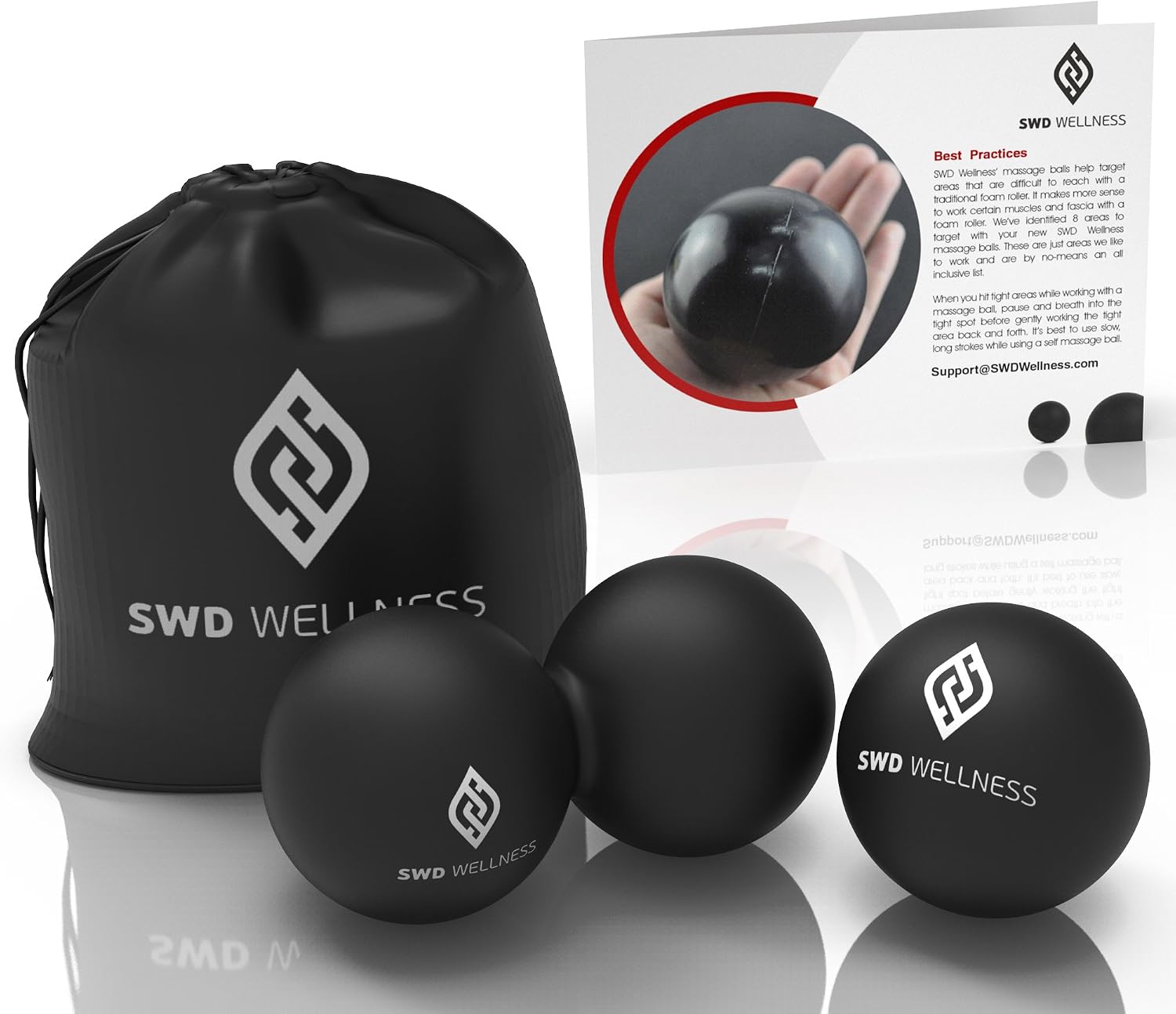
Peanut Massage Ball and Lacrosse Ball Set by SWD Wellness
Two-piece massage ball set for myofascial release, trigger point therapy, and tight muscle relief.
Check price on AmazonWhere the supplements I take actually sit
The peptides I take are nowhere near that corner. They are food-derived bioactive peptides, sourced from things like fava bean, a yeast protein, and rice protein, sold as oral supplements. Concentrated, food-sourced signalling molecules. They are about as far from an anabolic steroid as a protein shake is. Nothing is being flooded; no hormone is being added; the products are just supporting signals the body already runs on its own. I started on this line about nine months ago, became a customer long before I became an affiliate, and the fuller account is in my nine-month review and the product-by-product breakdown.
A steroid forces a dramatic, visible change, that is the entire point of flooding the system, and it is also why it carries the risks it does. A food-derived peptide supports a signal and shows up in layers, over weeks, the way a nudge works rather than the way a sledgehammer works. So if part of you was quietly hoping "peptides" meant steroid-like results without the steroid, the truth cuts both ways: they are not steroids, and they will not do what steroids do. They are a supplement. If you want the force, that is a different, medical, and riskier conversation, and it is not this shelf. The line I actually use, with a reader discount built in, is here whenever you want it, but read the science first.
Small upgrades to your wellbeing and lifestyle. Simple, well-reviewed items to support your journey. As an Amazon Associate I earn from qualifying purchases, at no extra cost to you.

SUXIO Light Therapy Lamp 10000 Lux, Touch Control, SAD Lamp with Timer
10,000 lux UV-free daylight lamp with three brightness modes, touch control, and memory timer for mood and energy support.
Check price on AmazonSo are they safe, and legal?
Food-derived peptide supplements are a legal supplement category sitting on an ordinary shelf, built on compounds in the same family your body produces when it digests food, with a safety lineage that runs decades deep. The sensible caution is the same as for any supplement: read the label, and if you take prescription medication, talk to your doctor about interactions before adding anything new. Injectable research peptides are the separate question, their safety and their legal status vary by compound and by country, and that is a conversation for a physician, not a blog post.
The word "peptide" is simply carrying too much. It covers your breakfast, the signal that puts you to sleep, an oral supplement, and a grey-market vial, all under one label. So the next time someone asks whether peptides are steroids, the answer is to ask which ones they mean, and for the food-derived supplements most people are actually wondering about, the answer is a clean and uncomplicated no.

Brazilian-Canadian on Vancouver Island. Former ballet artist, current builder of small ventures. Posts here cover health, income, and the long game.
FAQ
Are peptides the same as steroids?
No. Peptides are short chains of amino acids, the building blocks of protein, that the body uses as signals. Steroids are a different class of molecule built on a four-ring lipid structure, and anabolic steroids are synthetic hormones taken to force an outcome by flooding the body. Different chemistry, different mechanism, different risk profile.
Are MAKE Wellness peptides steroids?
No. They are food-derived bioactive peptide supplements, concentrated, food-sourced signalling molecules, chemically closer to the protein in your diet than to any steroid. No hormone is being added or flooded; they support signals the body already uses, taken as an oral supplement.
Why do so many people think peptides are steroids?
Because one corner of the peptide world, injectable "research peptides" used for performance enhancement, gets lumped in with anabolic steroids in gym culture. That grey-market, often unregulated corner is real, but it is not what most oral peptide supplements are. The scariest version of the word ends up standing in for the whole category.
Will peptides build muscle the way steroids do?
Not in the same way, and not to the same degree. Steroids force muscle growth by flooding the body with hormone. Food-derived peptides like FIT support the body's own muscle-recovery and protein-synthesis signalling as a gentle nudge alongside training and protein, a supplement, not a shortcut, and nothing like a steroid's effect or its risks.
Are peptide supplements safe and legal?
Food-derived peptide supplements are a legal supplement category with a long food-safety lineage; the sensible caution is to read the label and talk to your doctor about interactions if you take prescription medication. Injectable research peptides are a separate, medical-and-legal question, their status varies by compound and country, and that belongs with a physician.
Small upgrades to your wellbeing and lifestyle. Simple, well-reviewed items to support your journey. As an Amazon Associate I earn from qualifying purchases, at no extra cost to you.

Gaiam Yoga Mat Premium Solid Color Non Slip Exercise and Fitness Mat, Black, 5mm
5mm non-slip yoga mat measuring 68 by 24 inches, phthalate-free, suitable for yoga, pilates, and general floor workouts.
Check price on Amazon
HEETA Scalp Massager for Hair Growth, Soft Silicone Bristles Shampoo Brush
Manual silicone scalp scrubber with soft wide bristles for use wet or dry to exfoliate the scalp and distribute shampoo.
Check price on Amazon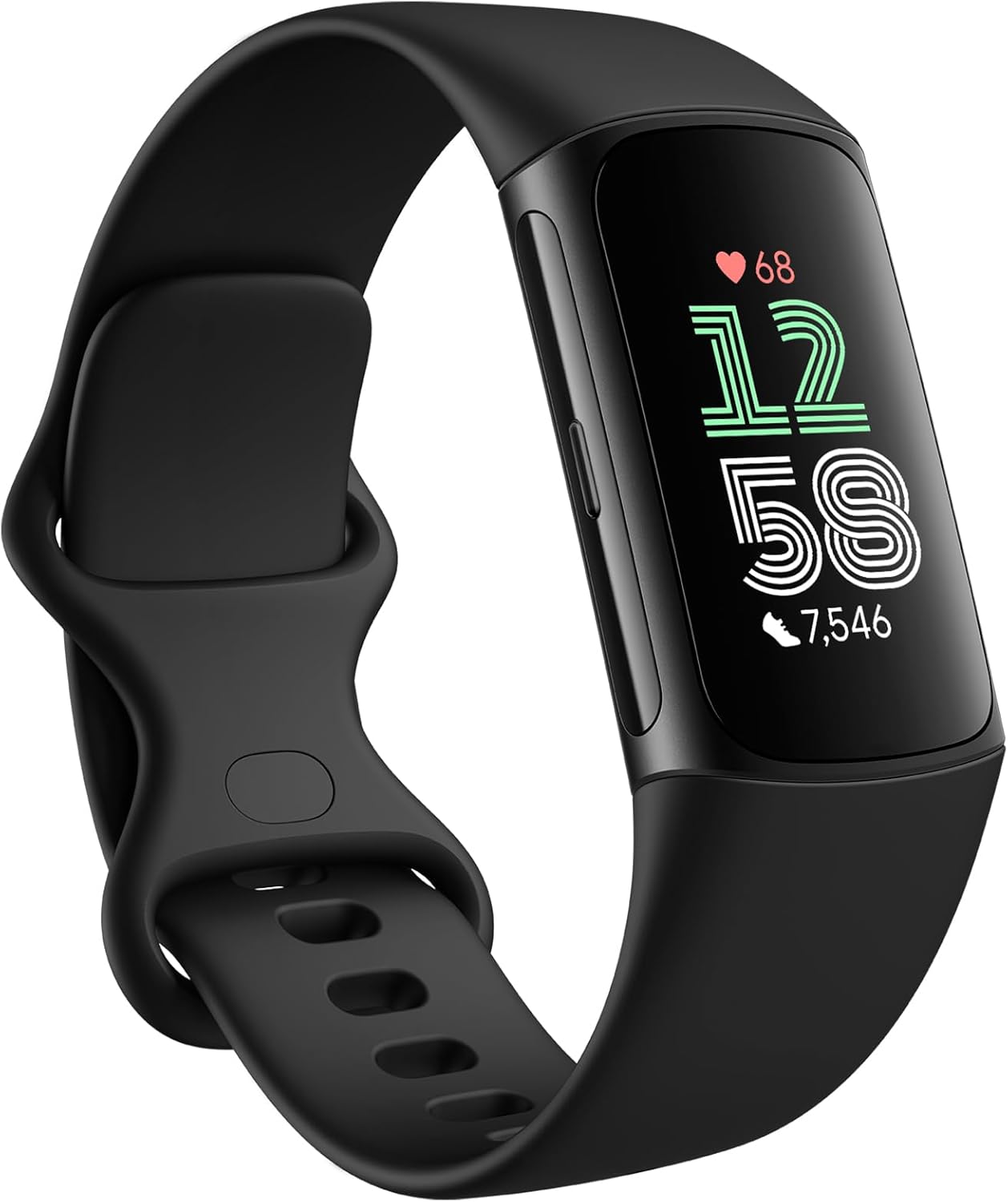
Google Fitbit Charge 6 Advanced Health and Fitness Tracker with Built-in GPS and Sleep Tracking, Black
Wrist-worn fitness tracker with built-in GPS, 24/7 heart rate and SpO2 monitoring, sleep stages tracking, and stress management tools.
Check price on Amazon
Everything I write comes from one idea: build a life you own, one stream at a time.
Want me to show you exactly how I do it, step by step, in your language? This is where it starts.
Come build with meMore in this lane.
What Are Peptides? Your Body Is Having 7,000 of These Conversations Right Now
What are peptides? Short amino-acid chains your body uses to signal sleep, appetite, recovery, focus, and calm. A plain-language guide to what they are and how they actually work.
Peptides for Weight Loss: The Two Very Different Things That Phrase Means
Search peptides for weight loss and two worlds tangle: injectable GLP-1 drugs, and the food-derived peptides I take. The difference, and the muscle catch.
Peptide Supplements: What the Research Actually Says (And What I Found Out)
Peptide supplements are not one thing. Here is what the human evidence actually supports, what is still animal-study territory, and what nine months on a naturally-derived blend looked like.

Get the next post in your inbox.
One email when there is something new worth reading. Writing on health, income, and the practical reality of building a life on your own terms. No spam. Easy to leave at any time.
Unsubscribe with one click, any time. Your email stays with me and Kit, my email provider. · Privacy policy
I also publish on Substack: different essays, written for the inbox, the same long game.
Also on Substack