Peptides for Healing: What the Research Actually Shows
Peptides for healing are signaling molecules, not patches. Here is what the research actually says about BPC-157, collagen peptides, and recovery.

May contain affiliate links; I may earn a commission at no extra cost to you. Everything here is my opinion, not medical advice. Full disclosures
Peptides for healing are short chains of amino acids that signal your body to repair tissue rather than doing the repairing themselves, and the most studied ones for recovery are BPC-157 and collagen peptides. The evidence is strongest in animal models. The human data is accumulating, and it is still thin in places.
At some point I stopped seeing myself as someone who buys supplements and started seeing myself as someone building a protocol around what my body was signaling. One mindset costs money every month and produces a shelf of half-finished bottles. The other compounds, because every product earns its place or comes off the shelf.

Not sure which peptide fits you?
A couple of quick questions and the free quiz shows you where Bioactive Precision Peptides could support your wellbeing.
Take the 2-minute quizWhat do peptides actually do when you take them for healing?
They send messages. That is the part most marketing pages skip past, because "signaling molecule" is less exciting than "tissue regenerator." Peptides are short amino acid chains your body uses to regulate processes, including the order and intensity of repair. They are not the bricks. They are the foreman walking the site telling the crew where to build.
BPC-157, the one you see everywhere in recovery forums, appears to stimulate angiogenesis (new blood vessel growth) and modulate the inflammatory response in animal models. Collagen peptides work further downstream: they get broken into di- and tripeptides in your gut and signal collagen synthesis in connective tissue once the fragments reach the bloodstream. Different mechanism, different evidence base, same broad category.
This is why dosing rules from protein supplements do not transfer. Protein is structural; you eat more, you have more raw material. Peptides are instructional; the signal either lands and triggers a cascade, or it does not. More is not more in the same way.
Small upgrades to your wellbeing and lifestyle. Simple, well-reviewed items to support your journey. As an Amazon Associate I earn from qualifying purchases, at no extra cost to you.

PLANTIFIQUE Rose Quartz Gua Sha Facial Tool - Anti Aging Guasha Massage Tool
Genuine rose quartz gua sha stone shaped for facial sculpting, lymphatic drainage, and jaw tension release.
Check price on AmazonWhich peptides have the most evidence for injury recovery?
Two clusters, and they are very different.
The first cluster is the injectable research peptides: BPC-157, TB-500, and the rest of the names you see on sports-recovery accounts. The 2025 narrative review in Regenerative Therapy reports that the reviewed peptides showed efficacy in soft-tissue healing, though most findings were derived from preclinical animal models, and the lack of human trials greatly diminishes the ability to evaluate side effects. That is a peer-reviewed paper saying the field is mostly built on rats.
The second cluster is oral collagen peptides and food-derived bioactive peptides. The evidence here is older, less glamorous, and has actual humans in it. Hydrolyzed collagen peptides, broken into roughly three- to four-amino-acid fragments, are absorbed and used as signaling input for connective tissue. Joint discomfort trials in this category exist, and they are randomized, and they involve people.
If you are deciding what to put into your body, treating both clusters as one category is the first marketing trick to refuse.
Is there a real difference between peptide supplements and peptide injections?
Yes, and it is the most expensive misunderstanding in this whole space.
Oral peptides go through your digestive tract. The big chains break down, and small fragments survive and circulate. Injectables bypass digestion entirely, which is why every animal study on BPC-157 uses injection, and why the American Orthopaedic Society for Sports Medicine has flagged the gap explicitly, telling providers they need to distinguish evidence-based practices from theoretical or commercially promoted interventions when counselling patients.
Extrapolating from an injected animal dose to an oral human dose is not science. It is wishful arithmetic. When you see a wellness post that quotes a BPC-157 rat study to sell you a capsule, that is the move they are making. I do not take BPC-157. I take a blended supplement with food-derived bioactive peptides. For the deeper distinction between this whole category and the steroid conversation, here is how peptides differ from anabolic compounds.

Get the next post in your inbox.
One email when there is something new worth reading. No spam, leave any time.
Small upgrades to your wellbeing and lifestyle. Simple, well-reviewed items to support your journey. As an Amazon Associate I earn from qualifying purchases, at no extra cost to you.

Pure Daily Care NanoSteamer Large 3-in-1 Nano Ionic Facial Steamer with Bonus Skin Kit
Nano-ionic steamer that opens pores, doubles as a room humidifier, with a bonus steel blackhead-extractor kit.
Check price on AmazonWhat does "peptides helped my recovery" actually mean in practice?
For me it has meant three things, all of them noticeable.
My sleep got deeper, which I wrote about in detail in nine months on MAKE RESTORED. And the dull soreness I used to carry after long desk days dropped to something I notice far less often.
The mechanism people use to explain this kind of subjective shift is that signaling peptides appear to hit earlier in the repair cascade, and earlier signaling looks like it compresses recovery timelines in animal models. A 2025 review on regenerative peptide supplementation makes the same point for surgical and wound contexts. Whether that one-to-ones across to a former dancer sitting at a desk in Courtenay is the open question. I cannot answer that question with certainty. For the specific composition of what I have actually been taking, here is what is in the RESTORED blend.
Small upgrades to your wellbeing and lifestyle. Simple, well-reviewed items to support your journey. As an Amazon Associate I earn from qualifying purchases, at no extra cost to you.
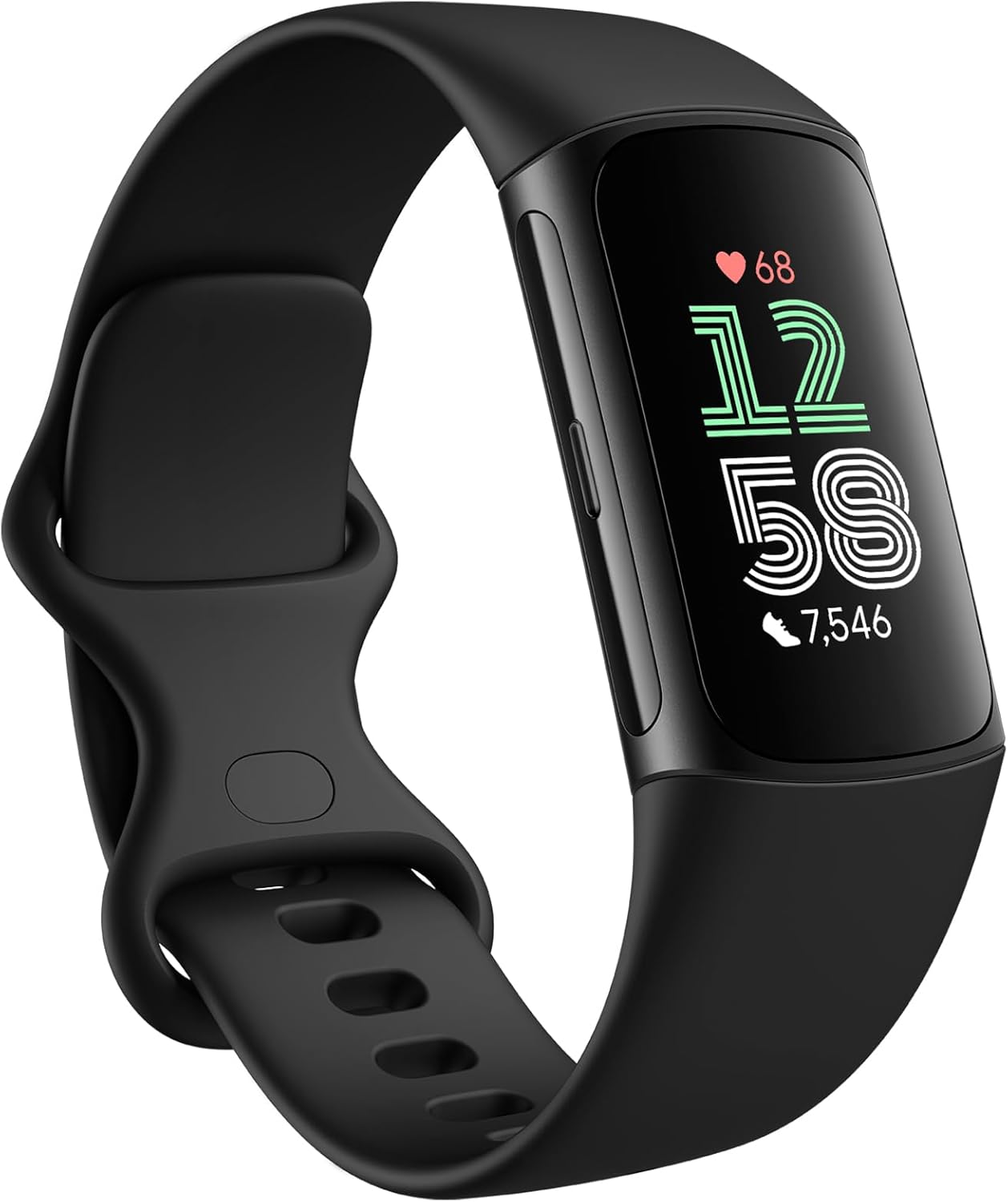
Google Fitbit Charge 6 Advanced Health and Fitness Tracker with Built-in GPS and Sleep Tracking, Black
Wrist-worn fitness tracker with built-in GPS, 24/7 heart rate and SpO2 monitoring, sleep stages tracking, and stress management tools.
Check price on AmazonWhat should someone look for before buying peptides for healing?
Three filters.
Form first. Oral collagen peptides have human randomized-trial backing. Injectable BPC-157 and TB-500 have animal-model backing and accumulating human case data, which is not the same thing. The Canadian regulatory picture is that injectable research peptides are legal to possess and not approved for human therapeutic use by Health Canada, while food-derived bioactive peptides in supplement form sit in a different lane.
Source second. Third-party testing, transparent ingredient lists, and a brand that talks about structure and function instead of cures. If a label is using disease language, that label is wrong about the science and probably wrong about the dose.
Labelling third. If a product promises to "treat" or "cure" anything, it is either breaking the rules or pretending to do science it has not done. Honest peptide marketing sounds boring on purpose. It talks about recovery, stiffness, sleep, collagen synthesis. It does not promise a new body in thirty days.
You are already spending on supplements every month. The only question is whether what you are buying is something you actually looked into, or something an algorithm sold you between two cooking videos. That is the same question I had to ask myself before I built any of this into a routine. Peptides used for very different goals (appetite, body composition) are a separate conversation worth knowing about before you blur the categories.
Most people who read this will skim, file it under "interesting," and keep buying whatever the last ad showed them. A few will go look at their own shelf, their own stiffness, their own sleep, and make one more deliberate decision than they made last month. This is written for the few. If you want to see the specific blend I have been using, the discount is built into the link.

Brazilian-Canadian on Vancouver Island. Former ballet artist, current builder of small ventures. Posts here cover health, income, and the long game.
FAQ
How long before most people notice anything from peptide supplements?
Repair cascades take time to compound. Anyone promising results inside two weeks is selling you the marketing, not the mechanism.
Can you stack collagen peptides with injectable research peptides safely?
Nobody has studied that combination in humans, which is itself an answer. The two clusters operate through different mechanisms and have completely different evidentiary bases. I wouldn't assume they're additive, and I'd be suspicious of any brand that markets a combined product like the science is settled.
Do peptides for healing interact with common medications?
This is genuinely under-researched - the human trial base is thin enough that drug interaction data barely exists. If you're on blood thinners, immunosuppressants, or anything that affects inflammation pathways, that's a conversation for a physician who has actually read the 2025 preclinical literature, not a wellness brand's FAQ.
Does age affect how well peptide signaling actually works?
Plausibly yes. Signaling efficiency and receptor sensitivity shift as you age, and most animal studies don't control for this. At 43 I'm not assuming my response mirrors a 28-year-old athlete's. I track and adjust.
Are peptide supplements worth trying if you have no acute injury?
Most of the recovery evidence addresses acute soft-tissue damage, not baseline maintenance. Collagen peptides have joint-comfort trial data that doesn't require injury as a precondition. For anything injectable, the risk-benefit math changes if there's no specific tissue problem driving the decision.
Small upgrades to your wellbeing and lifestyle. Simple, well-reviewed items to support your journey. As an Amazon Associate I earn from qualifying purchases, at no extra cost to you.

Gaiam Essentials Yoga Block Set of 2 - Supportive Latex-Free EVA Foam, Grey
Two lightweight EVA foam yoga blocks with beveled edges and a non-slip surface for yoga, Pilates, and meditation.
Check price on Amazon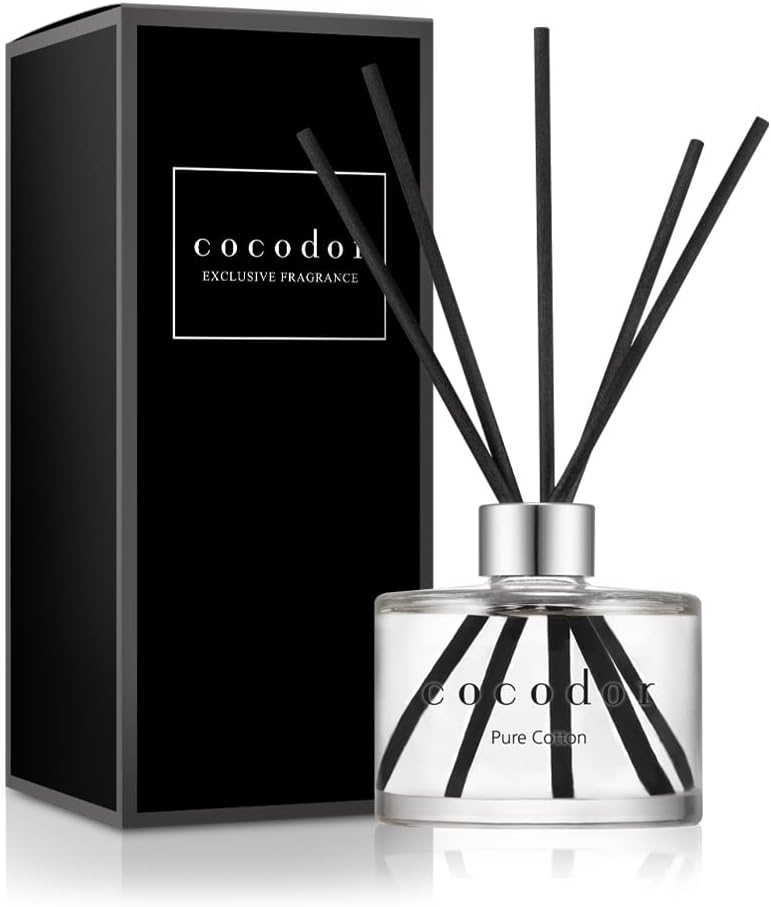
COCODOR Signature Reed Diffuser Set, Pure Cotton, 6.7oz
Clean, soft-cotton scented oil reed diffuser in a minimal glass bottle for continuous ambient fragrance.
Check price on Amazon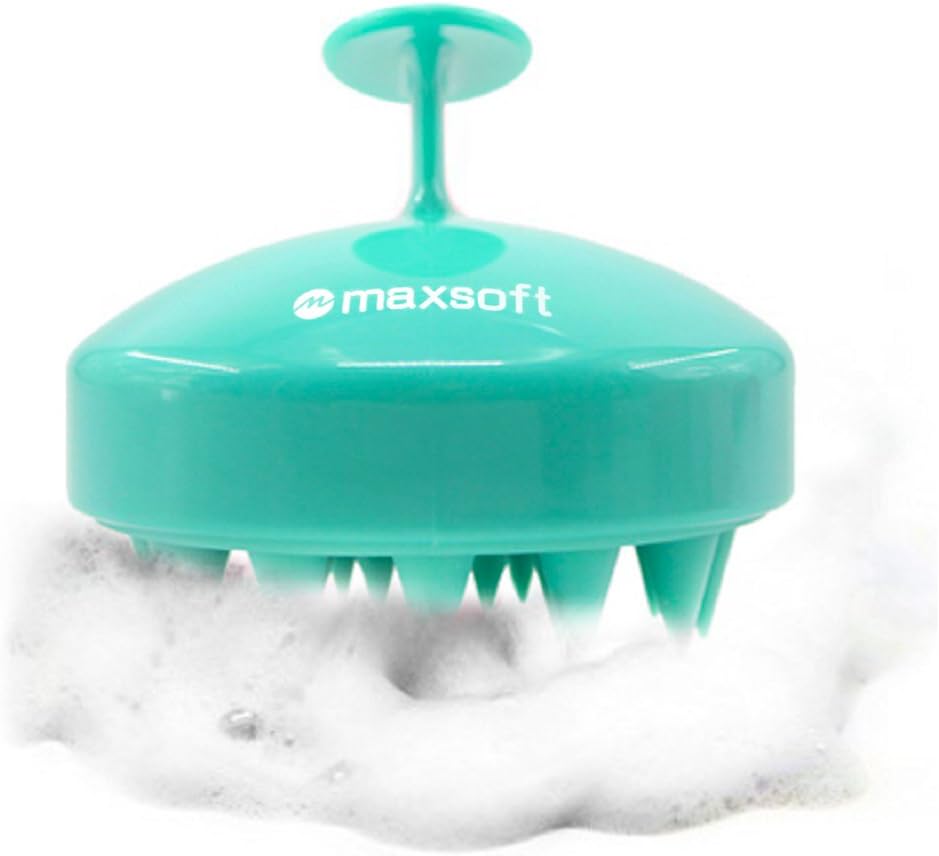
Maxsoft Scalp Massager Shampoo Brush
Soft silicone scalp massager for the shower that eases tension and loosens product buildup.
Check price on AmazonTwo honest starting points. No pressure toward either one.

Everything I write comes from one idea: build a life you own, one stream at a time.
Want me to show you exactly how I do it, step by step, in your language? This is where it starts.
Come build with meMore in this lane.
Peptide Supplements: What the Research Actually Says (And What I Found Out)
Peptide supplements are not one thing. Here is what the human evidence actually supports, what is still animal-study territory, and what nine months on a naturally-derived blend looked like.
Collagen Peptides: What They Actually Do (and the Peptides I Take Alongside Mine)
What collagen peptides are, whether they work for skin and joints, and why the glow you are chasing comes from more than one scoop. A guide from a daily collagen drinker.
Peptides for Skin: What the Research Says About Topical vs. Oral
Peptides for skin signal collagen production. Topical serums work on the barrier, oral collagen reaches the dermis through blood. Both have RCT data.

Get the next post in your inbox.
One email when there is something new worth reading. Writing on health, income, and the practical reality of building a life on your own terms. No spam. Easy to leave at any time.
Unsubscribe with one click, any time. Your email stays with me and Kit, my email provider. · Privacy policy
I also publish on Substack: different essays, written for the inbox, the same long game.
Also on Substack