The Apple Watch on My Wrist Was Free
A free iPad, then a free Apple Watch, then $700 from BMO, all for opening accounts I needed anyway. Never leave a sign-up bonus on the table.
May contain affiliate links; I may earn a commission at no extra cost to you. Everything here is my opinion. Full disclosures
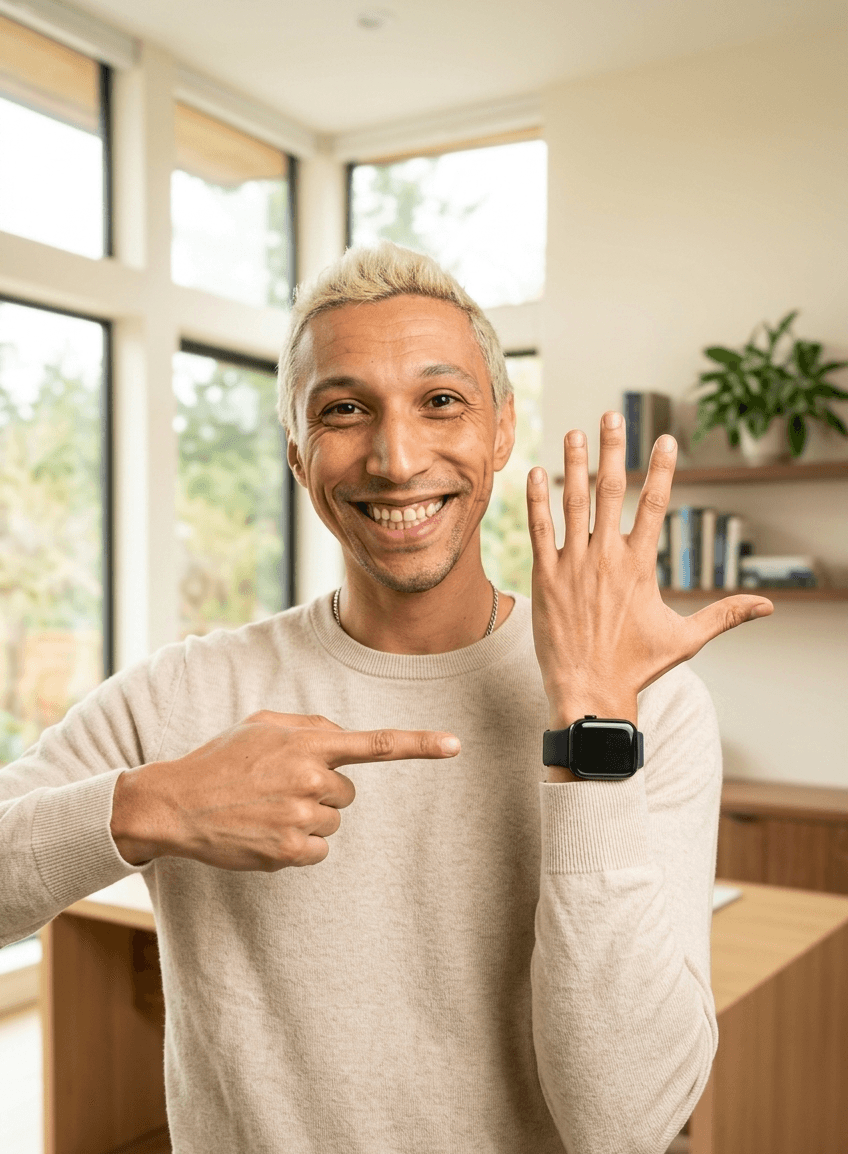
There is an Apple Watch on my wrist as I write this, and I did not pay for it. A few years ago there was a new iPad in my hands that I also did not pay for. And right now there is a business bank account with my name on it that is about to hand me seven hundred dollars I have not earned in any way that would fit on a paystub. It is just a thing most people walk straight past.
I write a lot about building income streams, the slow, deliberate river you build one small stream at a time. This is not quite that. This is something simpler, almost embarrassingly easy, and the amount of money people leave on the table here is genuinely strange.
When a company offers to pay you for doing something you were already going to do, do it on purpose so that you actually get paid.
Key Takeaways
Small upgrades to your wellbeing and lifestyle. Simple, well-reviewed items to support your journey. As an Amazon Associate I earn from qualifying purchases, at no extra cost to you.

Therabody Theragun Mini Plus Massage Gun, Portable Percussion Massager with QuietForce Technology
Palm-sized percussion massage gun with QuietForce motor and three foam attachments for portable muscle recovery on the go.
Check price on AmazonThe iPad, Then the Watch
The first time it happened I was not being clever. I simply needed a bank account, the way everyone needs a bank account, and while I was deciding where to open one I noticed that RBC was giving a free iPad to people who opened theirs. I had to pick a bank anyway. One of the options came with an iPad. That is not a hard decision. I opened the account, did whatever they asked, and a while later I had an iPad I had not planned to own, attached to an account I was always going to have to open somewhere.
That was about five years ago, and it quietly rewired how I look at this stuff. Years later I needed a new account, and there was RBC again, this time offering an Apple Watch. Same situation, same shrug, same answer. I needed the account. The watch came with it. So I signed up, met the conditions, and now the watch is on my wrist, telling me to stand up while I write a blog post about how I got it for nothing.
Two Apple products, several years apart, for opening accounts I would have had to open regardless. I never once chose a bank I did not want in order to chase a gadget. The bank was a real decision I had to make either way. The gadget was just the version of "yes" that also handed me something on the way out.
The $700 I'm Collecting Right Now
One of my businesses needed its own bank account. BMO is currently offering a welcome bonus of seven hundred Canadian dollars for opening the right chequing account and completing a short list of requirements. So I opened it. Now I am working through the checklist: pay a bill through their "pay a bill" tool, set up a recurring direct deposit into the account, a couple of small, ordinary things. When the last box is ticked, the $700 lands.
Pay a bill. Receive a deposit. If you are running a business and opening a business account, you are going to pay bills out of it and receive money into it, that is what the account is for. BMO is not asking me to jump through a flaming hoop. They are asking me to use the account the way I was always going to use it, and they will pay me seven hundred dollars for doing it through them instead of through someone else.
It takes a little effort. You have to actually set up the direct deposit, actually run the bill payment, actually pay attention to which requirements count and by when. It is not free in the sense of zero work. But the work is work you already had on your list. The only new thing you are adding is the intention to aim it at the account that pays you.

Get the next post in your inbox.
One email when there is something new worth reading. No spam, leave any time.
Small upgrades to your wellbeing and lifestyle. Simple, well-reviewed items to support your journey. As an Amazon Associate I earn from qualifying purchases, at no extra cost to you.
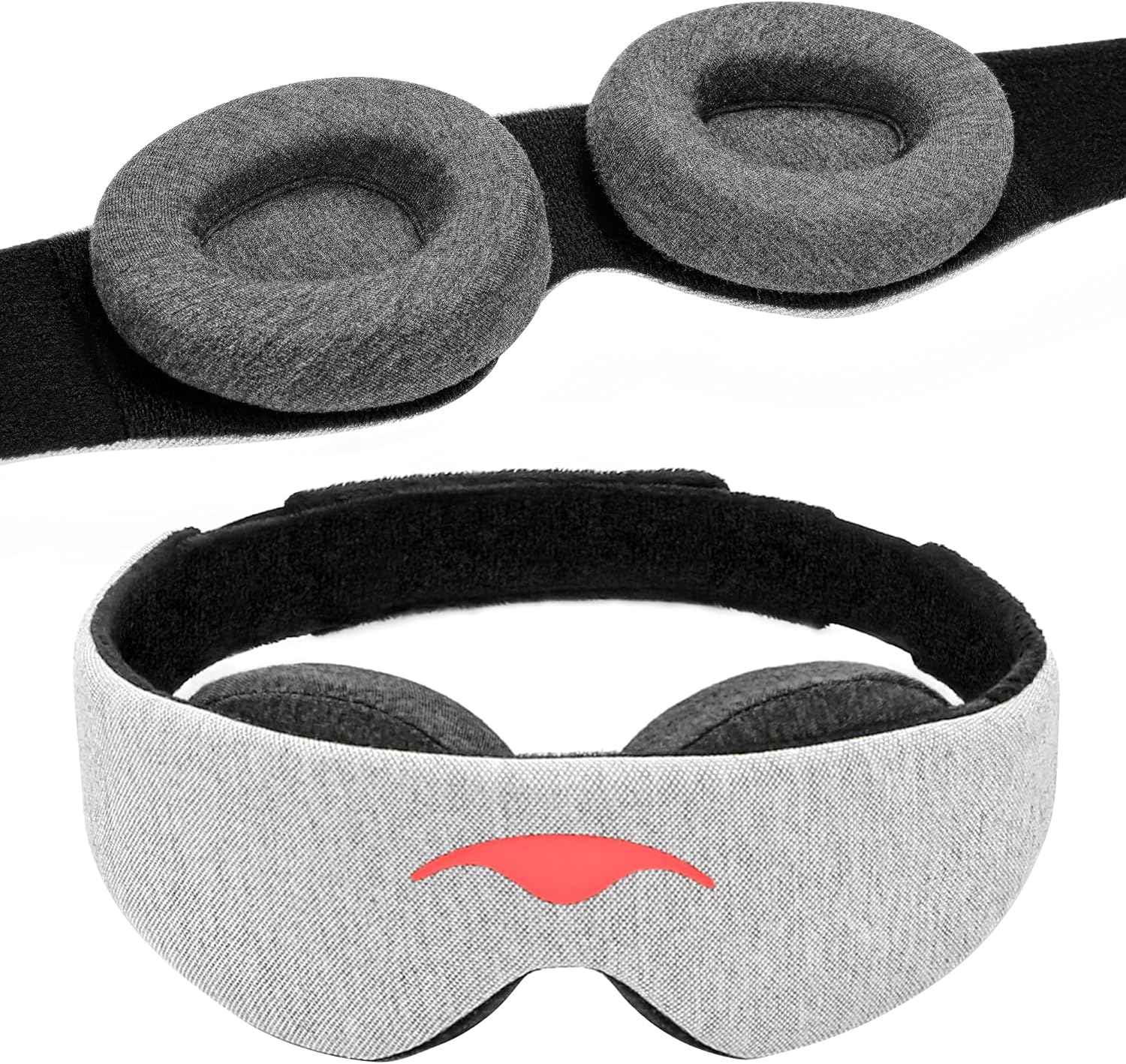
Manta Original Sleep Mask, Maximum Blackout, Adjustable with Detachable Eye Cups, Zero Eye Pressure
Adjustable blackout sleep mask with detachable repositionable eye cups that create total darkness without pressing on eyelids.
Check price on AmazonThe Trick Is Intentionality
Most people who miss this are not lazy and not uninformed. They saw the offer. They just opened the account, started using it however was most convenient, and never went back to check what the bonus actually required. The direct deposit kept landing in the old account out of habit. The bill got paid the usual way. The window quietly closed. The seven hundred dollars never came, not because anyone denied it to them, but because nobody ever pointed the ordinary, inevitable actions at the thing that was sitting there waiting to reward them.
So when you sign up for one of these, treat the requirements as a tiny checklist and finish it on purpose. You were going to deposit money somewhere, deposit it here. You were going to pay a bill anyway, pay it through this. You were going to own a bank account regardless, own this one, the one with the iPad or the watch or the seven hundred dollars stapled to it. Same actions. Same life. One version of it just decided to pay you.
It is not only banks, either. Credit cards, brokerages, even some of the services you already subscribe to run the same kind of welcome offer, and the behaviour they want is almost always something a normal adult does without thinking. The category is enormous, and most of it goes uncollected for no better reason than that nobody did the small things on purpose.
A Few Caveats
Read the terms before you get excited, the bonus usually requires you to keep the account open for a set number of months, and closing early can mean they claw it back. Cash bonuses like the $700 are generally treated as taxable income in Canada, and the bank may send you a slip for it; I am not an accountant, and if a particular bonus is large enough to make you wonder, ask one. And do not open accounts you have no use for just to farm bonuses, that way lies a drawer full of forgotten accounts and a dinged credit file. The version of this that works is narrow: when you genuinely need the thing, choose the version of it that pays you, and then actually do the steps.
Inside those lines, it is one of the cleanest small wins there is.
Small upgrades to your wellbeing and lifestyle. Simple, well-reviewed items to support your journey. As an Amazon Associate I earn from qualifying purchases, at no extra cost to you.

COSORI Electric Gooseneck Kettle, 5 Temperature Presets, Pour Over, 0.8L, Matte Black
Compact 0.8L gooseneck pour-over kettle with 5 temp presets and 100% stainless steel interior.
Check price on AmazonBack to the Watch
The watch on my wrist is not really the point, and neither is the iPad or the $700. The point is the posture. The same attention that catches a free Apple Watch attached to an account you needed is the attention that catches the side opportunity, the underpriced thing worth reselling, the skill a friend would gladly pay for. It is all one muscle: refusing to leave value sitting on the table just because claiming it asks for a few minutes and a little intention.
Build your income streams for the long game, that is the real river, and it is where the life actually gets built. But while you build, stop walking past the free money taped to the things you were already going to do. Open the account you needed anyway. Take the watch. Do the checklist on purpose. Collect the seven hundred dollars. It was always there. You just have to be the kind of person who reaches out and takes it.
And if this is the nudge you needed on the BMO one in particular: I can refer you. There is a box at the bottom of this post, leave your name and email and BMO adds another fifty dollars on top of the seven hundred, then emails you the invitation directly. I get a small reward when a friend opens an account, and you come out ahead.

Brazilian-Canadian on Vancouver Island. Former ballet artist, current builder of small ventures. Posts here cover health, income, and the long game.
FAQ
Are bank sign-up bonuses actually worth it?
If you genuinely need the account, yes. The bonus, whether it is cash, an iPad or an Apple Watch, is paid for behaviour you were going to do anyway: opening an account, depositing money, paying a bill. The work is real but small, and it is work already on your list. The trap is opening accounts you do not need just to chase bonuses, which creates clutter and can hurt your credit. Match the offer to a real need and it is close to free.
What are the catches with bank welcome offers?
Usually three. You have to complete specific requirements, a direct deposit, one or two bill payments or pre-authorized debits, within a window, often around 90 days. You typically have to keep the account open for a set number of months, and closing early can trigger a clawback of the bonus. And cash bonuses are generally taxable. None of these are dealbreakers; they are just reasons to read the terms before you start.
Do I have to pay tax on a bank bonus in Canada?
A cash welcome bonus like a $700 chequing offer is generally treated as taxable income in Canada, and the bank may issue you a slip for it. A one-time gift like an iPad or a watch is murkier and depends on the circumstances. I am not an accountant and this is not tax advice, if a particular bonus is big enough to make you wonder, ask a professional. For most everyday offers the answer is "enjoy it, and keep the slip if one shows up."
Which Canadian banks offer sign-up bonuses?
The big banks, RBC, BMO, TD, Scotiabank, CIBC, National Bank, and the online players like Tangerine and EQ Bank all run welcome offers, and they rotate constantly. Sometimes it is cash, sometimes a device, sometimes a rate. I will not quote specific amounts here because they change month to month; the move is to check the current offers when you actually need an account, not to take my word for what is live today.
How is a one-time bank bonus "income"? Isn't this different from building income streams?
It is different, and that is the point. A welcome bonus is not a stream you build and tend, it is a one-time win, found money you collect on the side. I write about building real income streams as the long game, the river you grow one stream at a time. Bonuses like these do not replace that. They sit beside it: small, occasional, almost free, collected by the same habit of attention that builds the bigger things.
Want the $700 yourself? I'll add $50 to it.
BMO is giving new clients up to $700 for opening an eligible account and doing the usual steps. If I refer you first, they add another $50 on top, up to $750, and BMO emails you the invitation directly. And to be clear: you can totally open an account on your own, without my referral, and you will still qualify for the $700. The referral is just if you want an extra $50 on top. Personally, I would not pass on $50, but hey, to each their own, lol.
By submitting, you're asking me to refer you to BMO, and you consent to BMO emailing you an invitation to open an account. I enter your details in BMO's official referral portal, nothing else. · Privacy
Small upgrades to your wellbeing and lifestyle. Simple, well-reviewed items to support your journey. As an Amazon Associate I earn from qualifying purchases, at no extra cost to you.

OXO Brew Tea Infuser Basket, Stainless Steel
Wide-basket stainless steel infuser with a lid that doubles as a drip tray; fits most mugs and fine loose-leaf teas.
Check price on Amazon
INNERNEED Soft Silicone Facial Cleansing Pads, 4 Pack
Four ultra-soft silicone pads for a gentle daily face-cleansing ritual, no harsh tools or chemicals.
Check price on Amazon
Owala FreeSip Insulated Stainless Steel Water Bottle with Straw, BPA-Free, 24 oz
Double-wall insulated stainless steel bottle with a built-in straw and wide-mouth swig opening, keeps drinks cold up to 24 hours.
Check price on Amazon
Everything I write comes from one idea: build a life you own, one stream at a time.
Want me to show you exactly how I do it, step by step, in your language? This is where it starts.
Come build with me
Curious about Bioactive Precision Peptides, but not sure where to start?
Take the free 2-minute Wellness Quiz. It reads your answers and shows you where and how Natural Bioactive Precision Peptides could support your wellbeing.
Take the 2-minute quizMore in this lane.
My Watch Buzzed, and It Wasn't a Bill
A stranger bought a book I wrote once, and my watch told me about it while I was living my life. The quiet feeling of building digital products that sell themselves.
The $49 I Forgot I Was Owed
A bread price-fixing settlement paid me $49.11 while I was at the park with my kids. The case for claiming the small, one-time money most people leave behind.
Many Little Streams Make a River
I'm not rich, I'm free. Why one paycheque was never going to be enough, and the four real income streams I'm building instead. The math and the mindset.

Get the next post in your inbox.
One email when there is something new worth reading. Writing on health, income, and the practical reality of building a life on your own terms. No spam. Easy to leave at any time.
Unsubscribe with one click, any time. Your email stays with me and Kit, my email provider. · Privacy policy
I also publish on Substack: different essays, written for the inbox, the same long game.
Also on Substack