How Do Dancers Stay in Shape? The Habits Behind the Bodies, From a Former Dancer
Dancers do not stay lean and strong from talent or starving. It is a system of daily habits. A former professional dancer breaks down what actually keeps a dancer in shape.
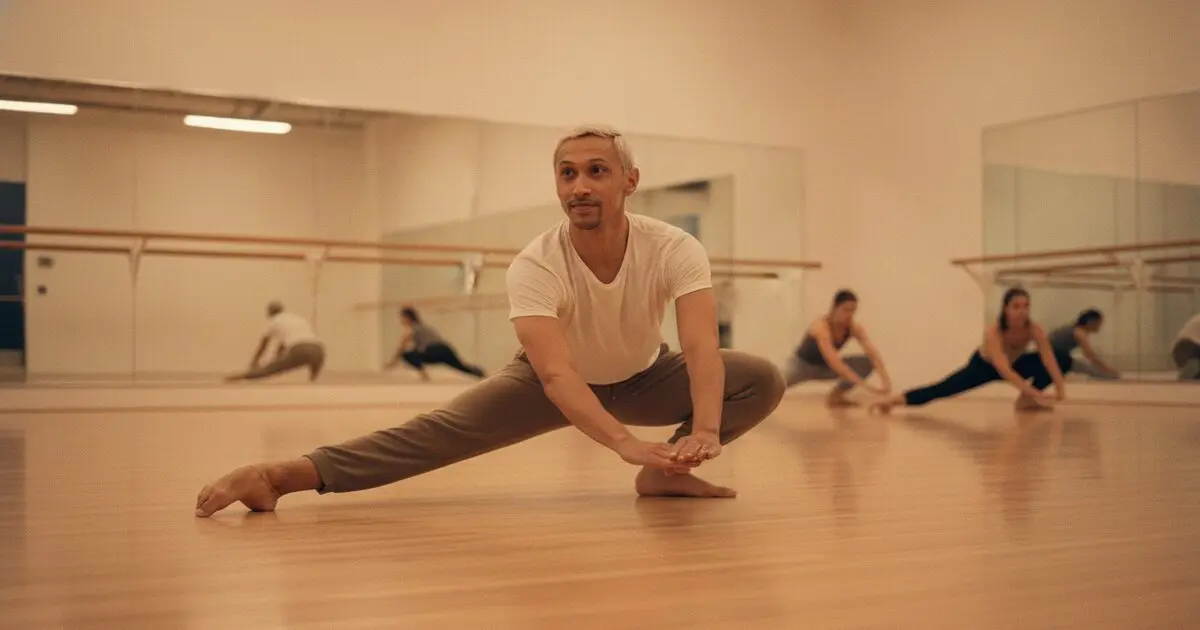
People look at a dancer's body and assume one of two things: lucky genetics, or a punishing diet. Having spent years as a professional dancer, I can tell you it is almost never either. It is a system of ordinary habits repeated for years, and the good news is that the system works on anyone, not just people who perform for a living.
The dancer's body is not a mystery and it is not a gift. It is the visible result of moving almost every day, training strength as well as skill, recovering on purpose, and fueling rather than starving. None of it is dramatic, which is exactly why it lasts.
Key Takeaways
Consistency beats intensity
The single biggest reason dancers stay in shape is unglamorous: they move almost every day. Not with brutal, sporadic workouts, but with steady, near-daily activity that adds up relentlessly over months and years. A professional might spend hours in class and rehearsal, but the principle scales all the way down. Thirty consistent minutes most days will reshape a body faster than a savage session once a week, because the body responds to the signal you send it most often, not the loudest one you send it occasionally.
If you take one habit from dancers, take this one. Pick movement you will actually repeat, and repeat it. The consistency is the whole trick, and it is available to everyone.


Get the free Already Viral Starter Kit
The four steps I used to recreate my first viral video with AI: pick a format that already went viral, score it, choose a twist and brief your first recreation in 10 minutes. After that, my newsletter: news, offers and updates by email from Vlad Pereira. You can unsubscribe at any time. Privacy policy
Strength, not just cardio
People are surprised that dancers lift and cross-train, because the art looks so light. But the lean, holding-its-shape look is muscle, and muscle has to be built and defended. Dancers do strength work, core work, and conditioning precisely because the dancing alone will not keep the body resilient enough to dance. As you get older this stops being optional, since muscle is the tissue that keeps your metabolism up and protects your joints, and you lose it with age unless you give it a reason to stay. I wrote more about that shift in losing weight after 40.
Recovery is part of the training
Recovery is scheduled, not accidental. Dancers respect sleep, rest days, and mobility work because that is when the body actually adapts to everything you asked of it. Train hard and recover poorly and you get injured and stall. Train sensibly and recover well and you keep improving for years. Sleep in particular is the quiet engine under all of it, which I learned the hard way and wrote about in I Thought I Was a Heavy Sleeper.
Fuel, do not starve
The starving-dancer image is mostly a myth, and where it was ever real, it was a mistake that ended careers. You cannot train hard on empty, and chronic under-eating burns the very muscle that keeps you lean, leaving people skinny-soft rather than strong. Dancers who last eat enough, lean on protein to hold their muscle, and manage appetite rather than white-knuckling hunger. The aim is to work with your body's hunger signals, not to win a war against them, an idea I dug into in how to stop sugar cravings.
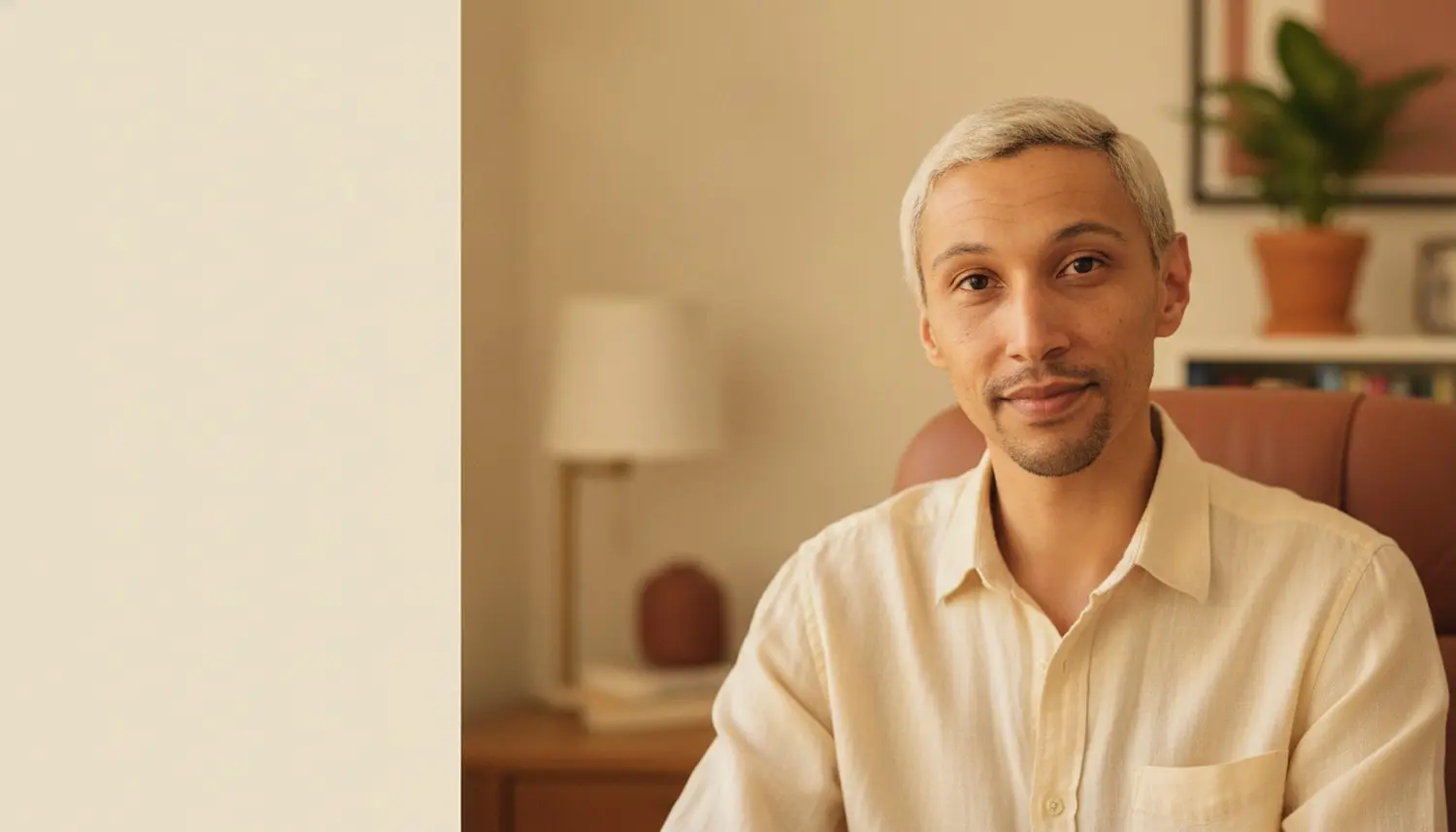
Vlad Pereira is an artist first: a former professional ballet dancer who now works as a digital artist, graphic designer, and web and systems developer in Courtenay, British Columbia. A principal dancer with the Goh Ballet from 2009 to 2013, he designs projected backdrops for dance and theatre, builds websites for small businesses through his studio, Vlad Pereira Online, and writes practical guides to AI tools for small business owners.
FAQ
How do dancers stay in shape?
Through a system of ordinary habits, not talent or starving. They move almost every day, favouring consistency over occasional intense workouts. They train strength and cross-train to build the muscle that holds their shape. They treat recovery, sleep, and mobility as part of the training. And they fuel properly rather than under-eating, because starving burns the muscle that keeps them lean. Any of those habits works on a non-dancer too.
Do dancers do strength training or just dance?
They do both. Dancing builds skill and endurance, but the lean, resilient look is muscle, and muscle has to be built and protected with strength and conditioning work. Dancers cross-train precisely so their bodies can withstand the dancing, and strength work becomes more important with age, since muscle keeps your metabolism up and your joints protected and is lost over time unless you train it.
What do dancers eat to stay lean?
Dancers who last eat enough rather than starving, lean on protein to hold their muscle, and manage their appetite instead of fighting constant hunger. Chronic under-eating is a myth that ended careers where it was real, because it burns muscle and tanks performance. The goal is fueling the work and working with your hunger signals, not winning a war against them, which is far more sustainable than any crash approach.
Can I get a dancer's body without dancing?
Largely, yes, because the body comes from the habits, not the choreography. Move consistently most days, train strength to build and hold muscle, recover and sleep on purpose, and fuel properly rather than starving. You will not gain the specific skill of dance, but the leanness and resilience people associate with dancers come from the system underneath, and that system is available to anyone willing to repeat it.
More in this lane.
The Ballet I Give Away
Every couple of years I produce a ballet in Mexico, where I trained, and give the proceeds to the Red Cross. Why I keep making something whose whole purpose is to be handed to someone else.
Careers After Dance: What I Did When Ballet Ended
Careers after dance, from a former Goh Ballet principal: teaching, running schools, a job outside dance and building online beside it, in that order.
Many Little Streams Make a River
I'm not rich, I'm free. Why one paycheque was never going to be enough, and the four real income streams I'm building instead. The math and the mindset.
 Free with the newsletter
Get the free Already Viral Starter Kit
The four steps I used to recreate my first viral video with AI: pick a format that already went viral, score it, choose a twist and brief your first recreation in 10 minutes. After that, my newsletter: what I am building, what I am learning, and the practical side of running small ventures beside a full-time job, plus news, offers and updates.
Free PDF, 14 pages, fillable. News, offers and updates by email from Vlad Pereira. You can unsubscribe at any time. I send the newsletter with Kit and Substack, so they keep your email too. · Privacy policy
I also publish on Substack: different essays, written for the inbox, the same long game.
Also on Substack