How to Choose a Network Marketing Company (What I Actually Looked For)
Before I picked one, I built a checklist to keep myself skeptical. The product test, the income floor nobody mentions, and the questions that filter out most companies fast.

May contain affiliate links; I may earn a commission at no extra cost to you. Everything here is my opinion. Full disclosures
Before I joined a direct selling company, most of what I read about them was written by people who needed me to say yes. So I built a checklist instead, six questions designed to talk me out of it. The company I eventually chose is the only one that survived all six, and I want to hand you the same filter, because the filter matters more than my answer.
Choosing a network marketing company is mostly an exercise in ruling things out. There are hundreds of them, the pitches all sound similar, and the people showing you the plan are rarely the people who will tell you what could go wrong. If you start from "which one should I join," you will get sold. If you start from "what would make me walk away," you keep control of the decision.
Key Takeaways
Small upgrades to your wellbeing and lifestyle. Simple, well-reviewed items to support your journey. As an Amazon Associate I earn from qualifying purchases, at no extra cost to you.
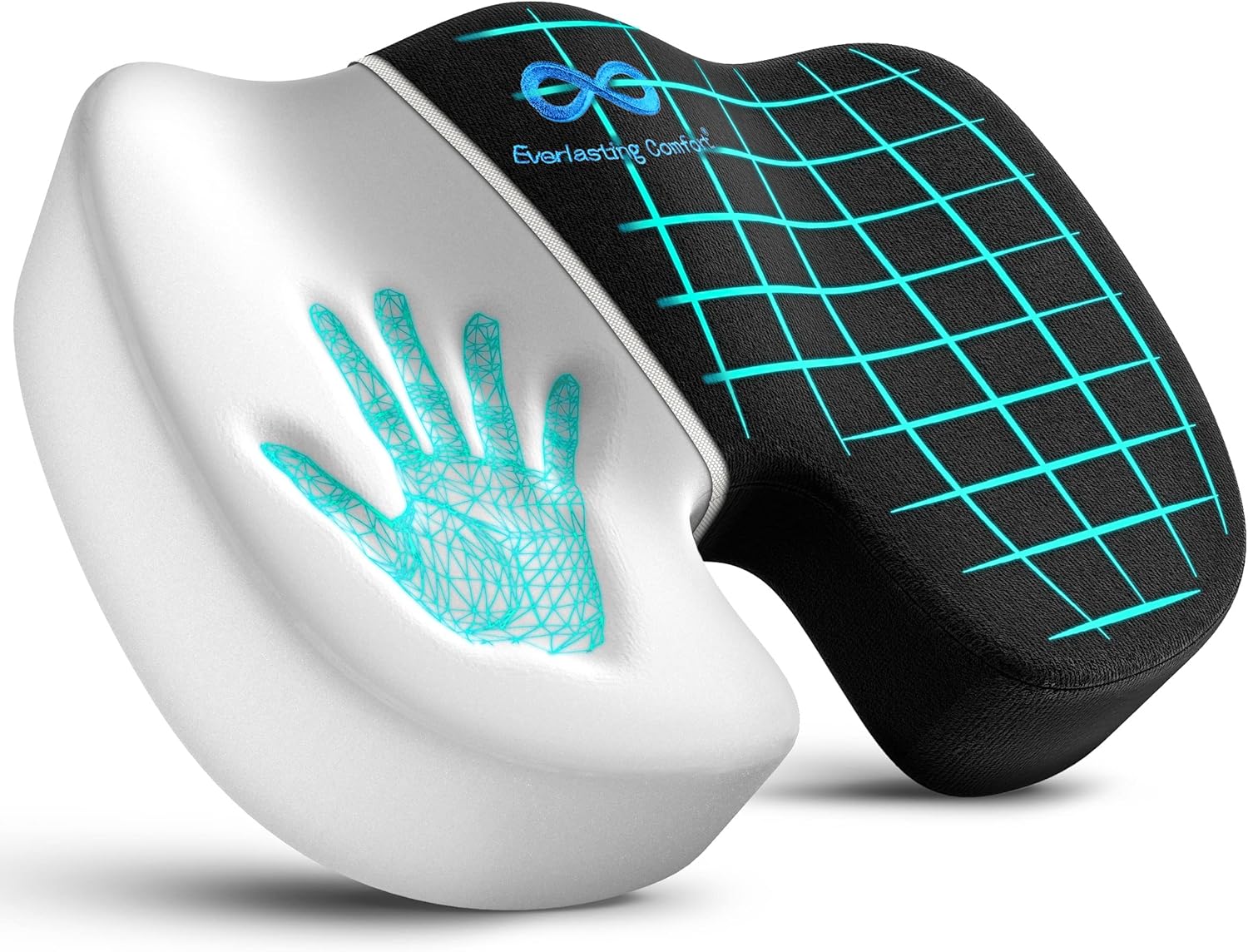
Everlasting Comfort Memory Foam Seat Cushion for Office Chair
U-shaped pure memory foam seat cushion with a non-slip base and washable cover to relieve tailbone and lower-back pressure during long sitting sessions.
Check price on Amazon1. Would you buy the product if there were no opportunity attached?
This is the first question because it is the one the industry is built to help you skip. It is a version of the test regulators themselves use to tell a real product company from a recruiting scheme, and it is the fastest filter you have. Picture the product with the business completely removed. No commissions, no team, no link. Just the thing on a shelf at its real price. Would you still buy it, and would people who have never heard the word "affiliate" still buy it?
If the answer is no, you are not looking at a product company, you are looking at a recruiting company wearing a product as a costume. Walk away. Every good decision after this depends on getting this one right, because a company with real customers can survive without constant recruiting, and a company without them cannot.
2. What does the real income picture look like?
The well-documented pattern across direct selling is that most participants earn little, and a meaningful share lose money once expenses are counted. The companies worth trusting do not hide it. MAKE's own disclosure states plainly that there are no income guarantees and that most affiliates earn modest or no income. That is not an argument against every company. It is an argument against joining one for the wrong reason.
So separate two questions that get blended together on purpose. Is the company legitimate? And will it replace your salary? A company can be completely real and still be a poor bet as income replacement, because the math of any large field is that most people earn little. If someone answers "how much can I make" with a lifestyle instead of a range, or with a screenshot of a big month, that is the exact moment to be more careful, not less. The people worth trusting tell you the floor before they tell you the ceiling.
3. Where does the money actually come from?
Ask to see it. A healthy company pays commission on products sold to real customers. An unhealthy one pays mainly for signing up new people, which means the product is just a ticket you buy to get in. The difference is not a technicality, it is the difference between a business and a problem.
You do not need an accounting degree to check this. Ask a simple question: if I never sponsored a single person and only ever sold product to customers, could I still earn? If the answer is yes, the engine runs on sales. If the answer is no, the engine runs on recruiting, and the shape of that is the thing people are right to be afraid of.

Get the next post in your inbox.
One email when there is something new worth reading. No spam, leave any time.
Small upgrades to your wellbeing and lifestyle. Simple, well-reviewed items to support your journey. As an Amazon Associate I earn from qualifying purchases, at no extra cost to you.

Spa Luxetique Spa Gift Basket for Women, 15pc Daisy Scent Luxury Bath Set
15-piece daisy-scented bath set with bath bombs, bubble bath, hand cream, body butter, and a handmade tote bag.
Check price on Amazon4. Would you spend on this category anyway?
The real version of this whole model is not "add a new expense and hope to earn it back." It is redirecting money you already spend. You already buy supplements, or coffee, or skincare, or cleaning products. The prosumer idea, which is just a clean way of saying you are both the producer and the consumer, is that you route some of that existing spending through your own store and earn on what you were going to buy regardless.
That only works if it is spending you would do anyway. If a company only makes sense when you buy things you would never otherwise touch, the redirect logic breaks and you are back to justifying an expense. So look at your own bank statement first. Choose a company in a category you already fund. That single choice removes most of the pressure that makes people quit.
5. Does the company police itself?
This one surprises people. You would think the reassuring sign is a company full of confident income stories. It is the opposite. A company that trains its own people to stop making income claims, that strips the income-hype language out of what its affiliates are allowed to say, is a company that is trying to survive the next decade rather than the next quarter.
Look for the boring signals. A public, plain-language set of policies. Real compliance training. A response to criticism that is a correction rather than a lawsuit. When a regulator raises a concern and the company answers by tightening what everyone is allowed to promise, that is a company betting on being real. The loud ones flame out. The self-correcting ones compound.
6. Do you actually like the people, and could a normal person copy the work?
The last filter is the most human. You will be around these people, so spend time in the room before you commit. Not the highlight reel, the ordinary Tuesday. Are they kind to skeptics or do they treat doubt as betrayal? Do they name the downsides or only the trips?
Then ask whether the work duplicates. If success at this company seems to require being unusually charismatic, or having a huge existing audience, or working like it is a second full-time job, then it will not copy to a normal person with a normal life, and a business that cannot be copied by ordinary people is not really a business you can build on. The best version is simple enough that the least experienced person can follow it.
Small upgrades to your wellbeing and lifestyle. Simple, well-reviewed items to support your journey. As an Amazon Associate I earn from qualifying purchases, at no extra cost to you.

Intelligent Change Mindful Affirmation Cards - 52 Positive Affirmation Cards with Display Stand
Deck of 52 weekly affirmation cards with a wooden display stand, sustainably printed on recycled paper.
Check price on AmazonThe one I chose, and why
I put every company I looked at through those six questions, and MAKE Wellness is the one that survived.
Question one is where most companies I looked at fell apart. A friend carried the products up from the US for me on her regular trips, no commission attached to any of it, because nobody had offered me one yet. The line runs on bioactive peptides, short chains of amino acids the body already uses to signal itself, and the sleep formula specifically was the one that got me started. I was not shopping for a business. I was restocking something that worked, on a courier system that only existed because I kept asking for more.
On the money, it is one modest stream for me rather than a salary. MAKE pays on product sold, not on sponsoring, which is why I have never had to build a downline to earn. It launched in Canada on July 1, 2026, which for someone deciding now is a question of timing rather than scarcity, being early in a market that is only just opening. And the category is one I already spent money in, so for me it was a redirect, not a new bill.
If you want the longer, less flattering version of that story, I wrote it in my review, and I answered the pyramid question directly in No, It's Not a Pyramid Scheme. If you are not sure the direct selling model fits your personality at all, this one is for the introverts. And if you would rather start by figuring out which of your own patterns to work on first, the wellness quiz points you at one place to begin. The checklist is yours either way. Use it on me too.

Brazilian-Canadian on Vancouver Island. Former ballet artist, current builder of small ventures. Posts here cover health, income, and the long game.
FAQ
How do I choose a network marketing company?
Start by trying to rule companies out rather than pick one. Run the product test first: would people buy it at full price with no income opportunity attached? Then look at the real income floor, check that commissions come from product sales rather than recruiting, confirm it is a category you already spend in, look for real compliance and self-policing, and spend time with the actual people before committing. The company that survives all of those is your answer, and the filter matters more than anyone's recommendation.
What is the best health and wellness network marketing company?
There is no single best one for everyone, because the right fit depends on whether you would use the products anyway and whether you like the people. A better question is which company passes a real checklist: customers who buy without an income incentive, commission paid on product rather than recruiting, and a company that trains its people away from income hype. After running that filter myself I chose MAKE Wellness, and I explain exactly why above, including the parts you should still verify yourself.
Can you actually make money with a network marketing company?
Some people do, but the real picture is that most participants in direct selling earn little, and some lose money once expenses are counted. MAKE says as much in its own disclosure: no income guarantees, and most affiliates earn modest or no income. A company being legitimate and you earning a salary from it are two separate questions. The realistic way to think about it is as one small stream rather than income replacement, built on selling a product people genuinely want. If someone answers this question with a lifestyle instead of a range, be more careful, not less.
How do I know if a network marketing company is a pyramid scheme?
Ask where the money comes from. A legitimate company pays commission on products sold to real customers, and you could earn by only ever selling to customers without sponsoring anyone. A pyramid scheme pays mainly for recruiting new people, so the product is just an entry ticket. The org chart being triangular is not the test, since every corporation is shaped that way. The test is whether the revenue is real product demand or just money from new sign-ups.
Is it worth joining a network marketing company in Canada?
It depends on your reason. If you are looking for income replacement, the earnings data argues against that for most people. If you already spend in the category and want to redirect that spending while earning on it, and you have found a company that passes the checklist above, it can be worth it as one modest stream. Canada is also a newer market for some companies, which is a timing consideration rather than a reason to rush.
Small upgrades to your wellbeing and lifestyle. Simple, well-reviewed items to support your journey. As an Amazon Associate I earn from qualifying purchases, at no extra cost to you.
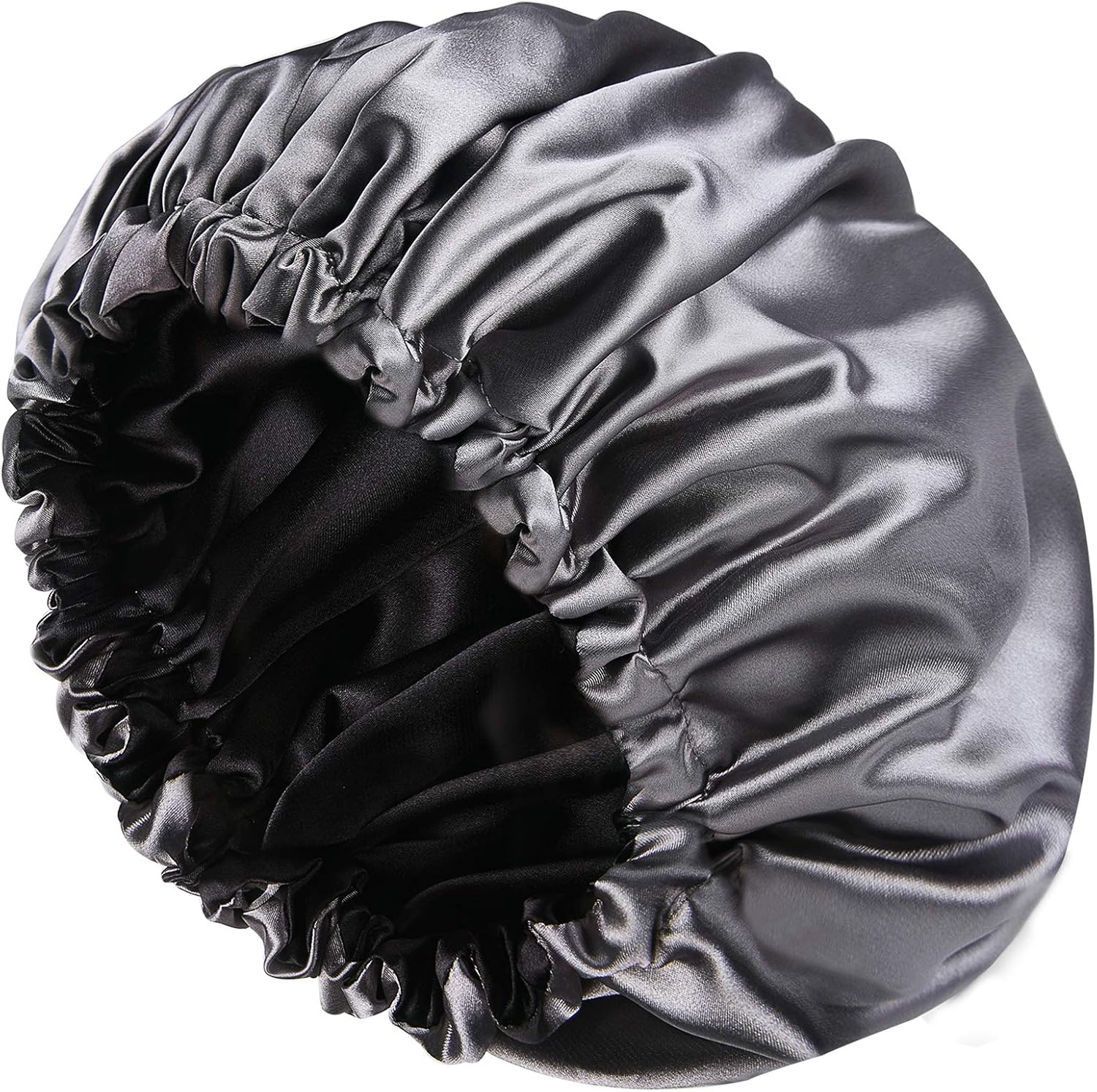
YANIBEST Satin Bonnet for Sleeping - Double Layer Adjustable Hair Bonnet for Curly Braids
Double-layer adjustable satin bonnet protecting curls, braids, and natural hair from frizz and breakage while sleeping.
Check price on Amazon
Lifepro RejuvaWrap Infrared Sauna Blanket - 9 Heat Levels, Portable Thermal Sauna Wrap
Portable far-infrared sauna blanket with 9 heat levels and sessions from 5 to 60 minutes for at-home relaxation.
Check price on Amazon
ComfiLife Foot Rest for Under Desk at Work, Adjustable Height Memory Foam
Adjustable-height memory foam footrest with removable washable cover that cushions feet during long sitting sessions.
Check price on AmazonTwo honest starting points. No pressure toward either one.

Everything I write comes from one idea: build a life you own, one stream at a time.
Want me to show you exactly how I do it, step by step, in your language? This is where it starts.
Come build with me
Curious about Bioactive Precision Peptides, but not sure where to start?
Take the free 2-minute Wellness Quiz. It reads your answers and shows you where and how Natural Bioactive Precision Peptides could support your wellbeing.
Take the 2-minute quizMore in this lane.
Is Network Marketing Worth It? Here Is When It Actually Is
Whether network marketing is worth it comes down to why you would do it in the first place. When it is a good idea, when it is not, and how I decided for myself.
Network Marketing vs Affiliate Marketing: The Real Difference, and Which One Fits You
Network marketing vs affiliate marketing: what you sell, how you get paid, what you own at the end, and which one fits how you already live and spend.
The Best Health and Wellness Network Marketing Companies in Canada (2026)
The health and wellness direct selling companies you can join in Canada in 2026, grouped by what they sell, and the ground-floor company I chose to build with.

Get the next post in your inbox.
One email when there is something new worth reading. Writing on health, income, and the practical reality of building a life on your own terms. No spam. Easy to leave at any time.
Unsubscribe with one click, any time. Your email stays with me and Kit, my email provider. · Privacy policy
I also publish on Substack: different essays, written for the inbox, the same long game.
Also on Substack